


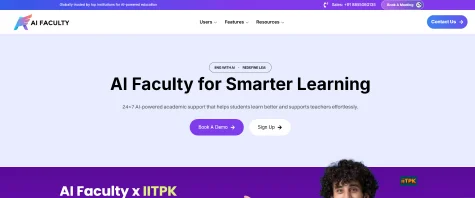
Right up front in 2026’s big move, AI Faculty isn’t simply marking papers – it’s reshaping how one learner grows. Where most systems score replies alone, this one ties each answer to your personal thinking pattern through close feedback loops. Instead of cold ratings, you get reflections built around how you actually process ideas.
- Imagine this: Your syllabus shifts underfoot like sand at low tide. Each topic pulses, connected by hidden threads. Structure breathes. Pages ripple when touched. Nothing stays fixed. Learning unfolds in layers, never flat. Boundaries blur between sections. Ideas leak into one another. A lesson becomes terrain you move through. Unexpectedly, SuperKalam completely changed the game by combining slow, deliberate mentoring with a huge amount of quick analysis generated by intelligent machines. While the rest of the world was jumping from one trend to another, it was quietly going about its business, achieving a perfect blend of human perspective and digital speed that hardly anyone foresaw. through. Static outlines dissolve. What remains? Movement. Pulse. Response.
- Here’s how it works: Detailed concept tracking can help identify where students do not understand tax systems, post-colonial timelines, and other major concepts, through very sharp diagnosis. Through tracking of concepts, weaknesses in understanding, such as a vague knowledge of the Tax Systems or a post-colonial timeline,e can be identified. The system not only points out the mistakes, but it also indicates the exact places where thinking and reasoning deviate from the right path. It literally brings to light the hiding places of confusion. Instead of speculating why an answer is wrong, the system breaks down the faulty reasoning steps very clearly and shows the sources of the mistake. Sometimes, a wrong concept needs to be made very visible before it can be corrected and understood. At a very deep level of understanding,g a person tends to make very clear the origin of a misunderstanding. Weak areas are revealed not merely as missing knowledge, but as connections that have been crossing each other.
What happens next? A regular online testing site shifts shape, becoming something closer to a roadmap built just for you. Not just scores – insight that fits how you learn. Each step pulls practice forward, not in circles. Mastery isn’t guessed at – it’s tracked, shaped, and refined. The tool doesn’t stop at answers; it follows growth.
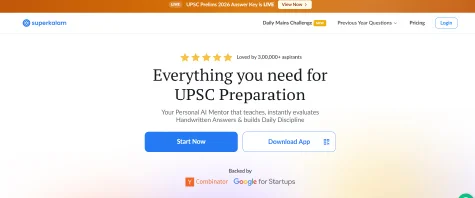
Unexpectedly, SuperKalam completely changed the game by combining slow, deliberate mentoring with a huge amount of quick analysis generated by intelligent machines. While the rest of the world was jumping from one trend to another, it was quietly going about its business, achieving a perfect blend of human perspective and digital speed that hardly anyone foresaw.
It checks your main answers immediately each day. At any time, you get a continuous flow of feedback that will keep you on track. When you have ongoing support, your doubts will be resolved quickly. This pattern of your work will last with you during the whole prep time. Instant answers are always available to help each move you make.
Every day marks a new beginning with the way PrepAiro molds practice for high achievers – Mains answers get created here, a single typed line or an ink stroke at a time. Whether keys click or pens glide, space exists for both.
Airo AI works by measuring responses against clear UPSC standards – looking at how openings are framed, whether arguments flow logically, while also judging if real-world instances fit well across different angles.
Here’s what happens. Misreading key terms – like treating “Discuss” the same as “Critically Examine” – can quietly pull down your score. Spotting these differences sharpens how deeply you respond. That shift? From decent answers to ones that stand out. Small fix, real effect.
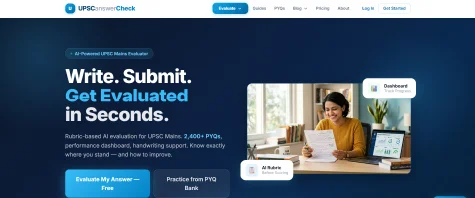
Right from the first ink stroke, it represents the real test environment by doing a deep analysis of every handwritten answer. Each pencil mark is examined, even to the level that the examiners look while grading tough exams.
They upload the image of the paper first. After that, the AI develops a personalized scoring rubric for each question of the GS and Optional subjects. It changes its mode of evaluation based on the content of the image.
What really jumps out at you is that there are many additional themes that, in turn, give access to different types of learners. The most important thing here is how you will feel the freedom of change when you decide to go into the area of the lesser-known things.
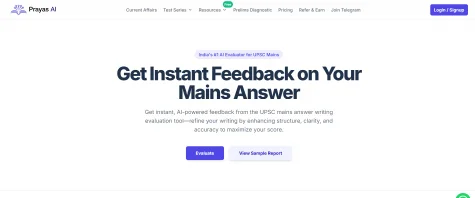
Prayas AI focuses on the “time-to-feedback” problem. In traditional coaching, you wait ten days for a checked copy; here, you wait ten minutes.
The Result: Such rapid iteration allows students to amend structural errors on the fly, so a mistake can be spotted and fixed before the next session starts.
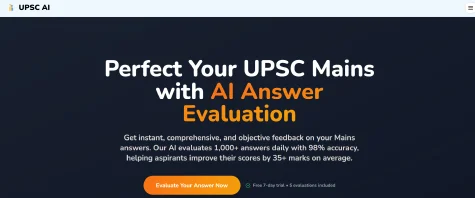
This tool is different because it not only assesses the sound of your words but also checks if they are evenly distributed by weight. The secret of its uniqueness lies in its ability to understand the deeper meaning, not just the literal interpretation of your words.
What it detects is how tone and subconscious bias can change the nature of a reply. By identifying those alterations, it ensures that the responses remain consistent during the times when fairness is of utmost concern. A composed tone usually means a lot in Ethics assignments or interviews where fairness is essential. Seeing the slant before submission changes how replies land. Staying neutral becomes easier when subtle cues are flagged early.

Now shaping up as more than just another quiz site, Testbook serves big league prep for Prelims across countless users.
More than 150,000 practice quizzes sit at its core, available at any time of day. For those needing reliable answers fast, help comes through AI that works nonstop. Students who want depth in multiple-choice prep tend to land here first – factual precision matters just as much as quantity.
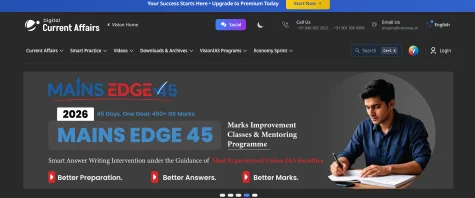
A name synonymous with UPSC prep, their digital learning assessment tools have modernized significantly. Their “Abhyaas” series now includes digital dashboards that track performance trends and “Relative Ranking” across multiple mock cycles.
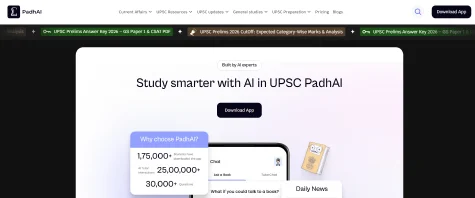
Starting with today’s update, PadhAI, an AI assessment tool, shows where it fits into the bigger picture of your studies. Instead of only asking questions, it walks through why a recent development matters for a particular General Studies topic. One moment you’re reading headlines, next you see how they tie into core concepts. By sharing many different things, you will slowly and almost imperceptibly grow your understanding.
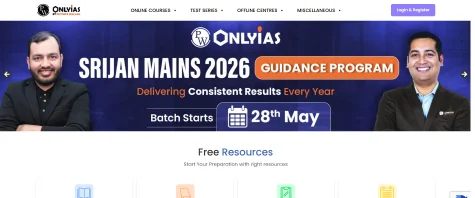
What sets them apart is how they break down quality prep into something within reach. Their system tracks progress closely, showing exactly where you stand, section by section. Instead of guessing, you see comparisons with tens of thousands who’ve taken similar paths. Results shift as new data flows in, keeping rankings current without delay.
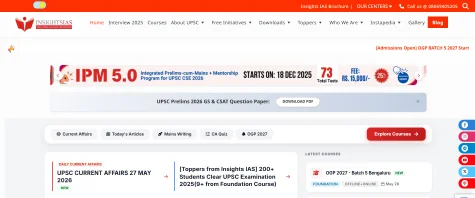
Their “Insta-Answers” community uses a mix of peer review and digital tracking to keep aspirants in a “daily writing” flow, which is arguably the most critical habit for Mains success.
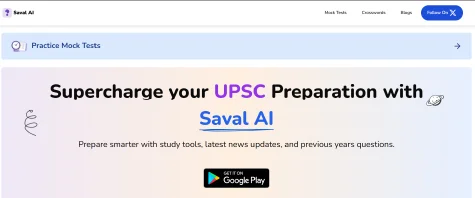
What if testing focused only on what trips you up? Saval AI builds quizzes around your uncertainties instead of standard topics. This online assessment tool checks how well you handle tough spots unique to you, skipping one-size-fits-all paths. Tough concepts get spotlighted, while routine practice fades out.